The consolations of philosophy, in the language they were written in.
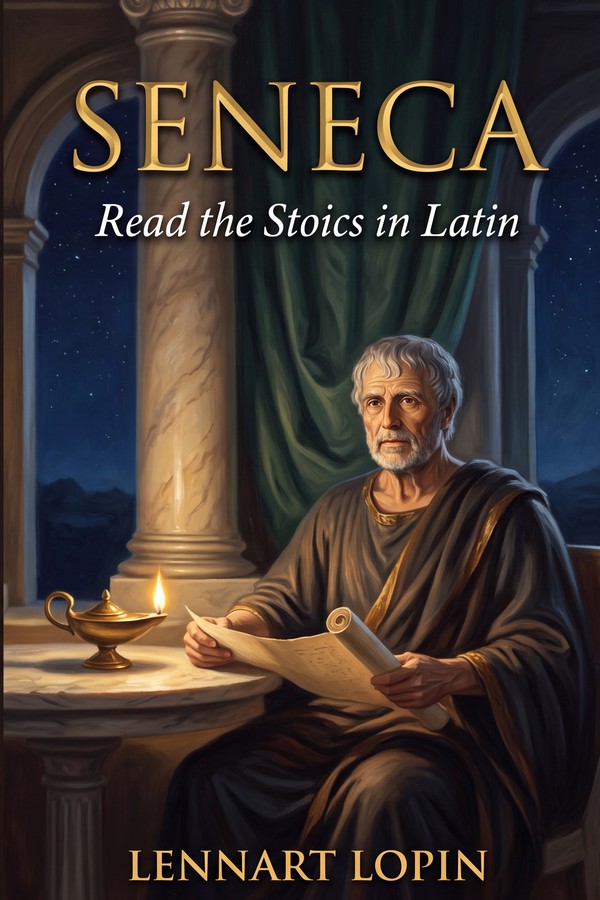
Millions of readers know Seneca in translation — the letters on the shortness of life, on anger, on friendship, on facing death without flinching. This book is for the reader who wants to go one step further and hear the Stoics in their own voice. Not paraphrased, not modernized: Seneca's Latin, reached step by step.
Thirty-six units, each built around a theme from the Epistulae Morales to Lucilius. Every unit begins in clear, easy Latin that retells and frames the idea; the language compounds from unit to unit, the sentences lengthen, and again and again the reader arrives at Seneca's own unaltered words — set apart on the page so you always know when the philosopher himself is speaking.
"Nōn quī parum habet, sed quī plūs cupit, pauper est."
— Seneca, Epistulae Morales II · read it on page one of unit VII
Latin Explained in Latin
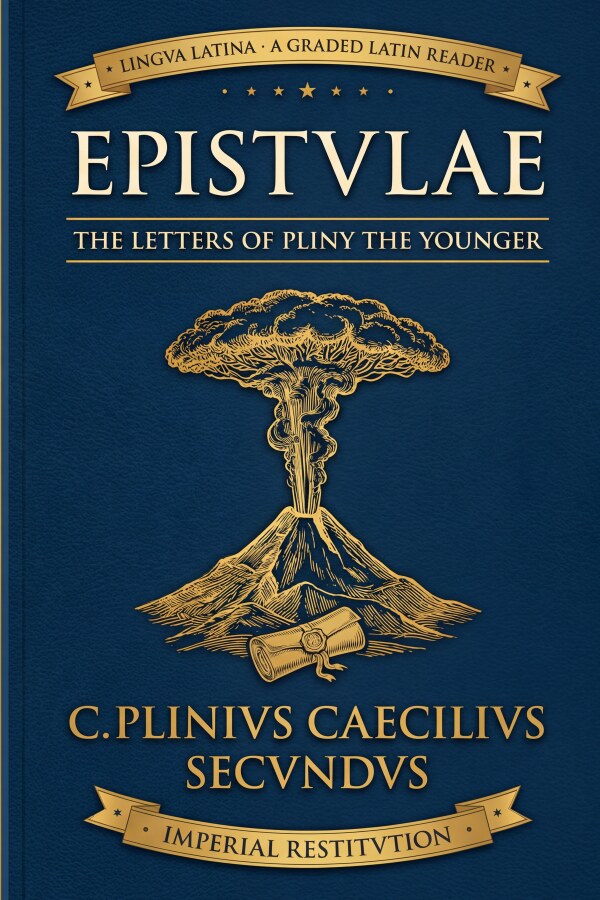
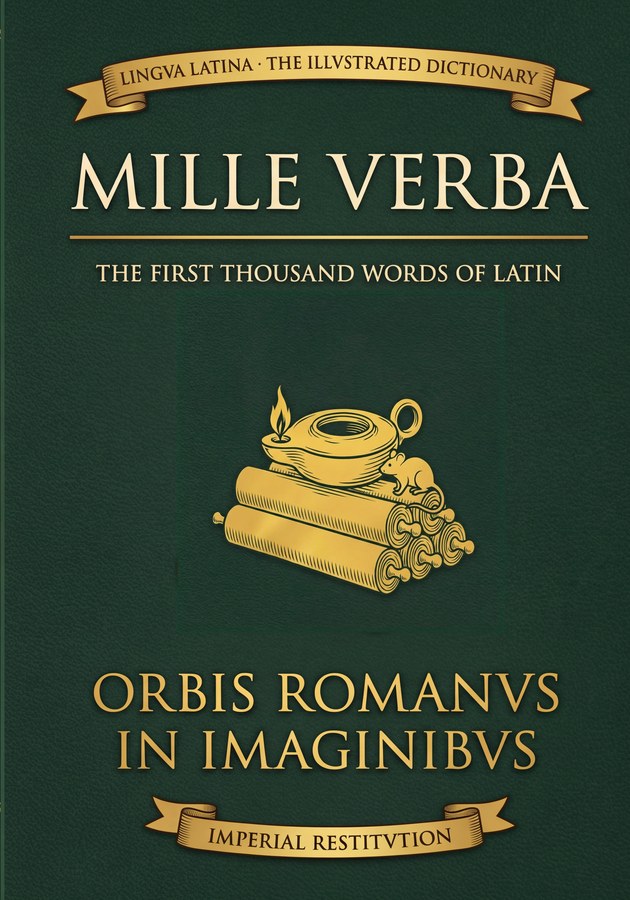
As in every reader in this series, the margins carry the method: each new or difficult word is explained in easy Latin — a synonym, an opposite, a short definition — never an English crutch. The vocabulary builds on the same core taught in Mīlle Verba and used across our Caesar, Pliny, and Ovid readers, so the series carries you from book to book without a dictionary.
For Two Kinds of Reader
The Latin student meets the perfect intermediate author: Seneca's short, pointed sentences are the classic reward after a foundation course, and this is the only graded reader of the Stoics in print. And the reader who came to Stoicism through the modern shelf — the daily meditations, the popular translations — finds here what none of those can give: the words themselves. What Seneca actually wrote, in the rhythm he wrote it, with just enough help to read it honestly.